Brian's writings in the category Joomla

In open source, we celebrate the visible things. New contributors joining. First pull requests. Community growth. Another release shipped. Those things are easy to measure, easy to share, and easy to feel good about.
What is much harder to see is the silence left behind when someone quietly disappears. No goodbye post. No dramatic exit. Just someone who used to be around every week suddenly no longer there.
And too often, nobody notices. Or worse, people notice and assume someone else will reach out.
digital sovereignty. Who controls your data, your infrastructure, and your ability to leave with your data intact when things stop working in your favour?

In 2005, Joomla wasn’t launched with venture capital, a corporate roadmap, or even a clear long-term strategy. It began with something far more fragile and far more ambitious: a belief.

Open source does not work by accident. It works because people show up. We often describe that effort as "giving back." It’s a useful idea, but it may also be limiting how we think about contribution.

With Joomla 6.1, a small but powerful enhancement was added to the TinyMCE editor: dedicated buttons for inserting, editing and removing the HTML <abbr> element.

The 80/20 rule isn’t just some nice talking point for economics class. It’s real, it’s brutal, and it applies perfectly to software development.
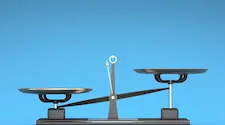
Your website isn’t broken because Joomla is hard. It’s broken because no one owns it. By "owns it," I don’t mean who signed the invoice. I mean someone capable, responsible, and empowered enough to actually make decisions before the whole thing rots.

There’s a lie many web agencies tell themselves: that clients choose them because they’re Joomla experts. That somehow their deep knowledge of Joomla is the deciding factor.

Twenty-six years ago, in the desert town of Swakopmund in Namibia, I jumped out of a plane without a parachute.
This is not a metaphor. It was a tandem skydive.



 Congratulations, you discovered a hidden secret!