
Brian's writings in the category Joomla
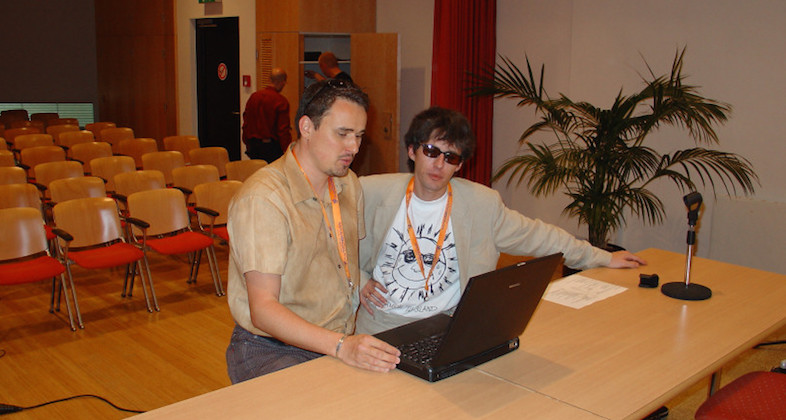
10 years ago today I set off on my travels for my first whole day community event. (Obviously it was called a MamboDay and not a JoomlaDay back then as it was six months before the "spork"). Looking back on that event it is great for me to see that I am still good friends with many of the people who were there that day.
Stop Right There
Stop right there, I gotta know right now, Before we go any further
Are you prepared for a long read that will shock and enrage you. A tale so fantastical that it is hard to believe but one I can assure you is 100% true and told without embellishment or exaggeration.
Have you removed all sharp objects from your desk? Are you sitting in a comfortable chair with a soft cushion or toy nearby? You will need to be prepared for the facepalm moments below.

I love Joomla, I love the power and flexibility that Joomla gives me. I love the way that I can customise everything in Joomla.
I read the documentation. I update everything as soon as possible. I take automatic backups daily. I customise every little thing that I can. I am the 1%.
Chances are that if you are reading this then you are part of the 1% as well.

Joomla 3.4 was released last month and just as with every major Joomla release there were beta and release candidates made available for testing over the preceding weeks. Those special releases are made specifically for Joomla developers to use to both test the changes in the upcoming release AND to check that their own code is still working as intended.

For a long time Joomla has included a very powerful component to handle url redirects. This is especially useful after a site upgrade or redesign. Don't know how to use it? Check this great article explaining all the features by Ruth Cheesley in the Joomla Community magazine.
However it had a problem which probably meant that you looked at it, set it up and then quickly abandoned it for something else.

Everyday I receive emails, tweets, facebook and skype messages seeking free Joomla support. It is usually "urgent" and always without enough information for me to answer correctly.
I am happy to help anyone at anytime with their Joomla web site but are you really using the best and quickest way to ask for that help? I might not be online. I might be busy. I am not being rude and ignoring you. I just can't answer the question from the information that you have asked.

In all the years that I have used Joomla I have never really seen the need for front end editing. Why bother? I could just do everything in the admin.
There were always too many things that I couldn't do on the front end that meant I was forever switching between the two.

For years when creating web sites we've added a Frequently Asked Questions (FAQ) section to our site. Please stop NOW.

It should be no surprise that I am a supporter of the GPL licence for software. Today I would like to apologise to developers of javascript and icon libraries that I have unknowingly ripped off and defrauded.

 Congratulations, you discovered a hidden secret!